That’s why communicating well is also about doing justice. It means: making sure our struggles aren’t silenced, letting people feel part of something bigger, and making change stop seeming impossible.
How to use communication to strengthen your activism
1. Define a clear and identifiable message
What do we want to change? Why is it urgent? What are we proposing? Who do we want to reach? From there, create a coherent narrative with a unique voice that speaks from "we" and connects with the values of your target audience.
2. Make social media a field of action
Don’t just spread the word: listen, converse, ask, respond, connect. Well-used social media isn’t a loudspeaker; it’s a public square where alliances are built, rumors are debunked, and conversations are ignited.
3. Create campaigns with rhythm and emotion
Every campaign needs a strategy: timing, content, goals, and key moments. Use videos, powerful images, memorable phrases. Care about the emotional aspect: people don’t just mobilize for data, but for what touches them.
4. Value the people
Faces matter. Stories inspire. Real experiences connect. Don’t just talk about abstract concepts: show the ones already making the change possible, their challenges, achievements, and dreams.
5. Form a team and delegate tasks
Communication is also a collective effort. Assign responsible people for content, design, social media, and spokesperson roles. Diversify channels: newsletters, TikTok, reels, WhatsApp groups, blogs, local press… Each medium has its tone and audience.
Communication to transform, not just to make visible
Communication is not just an accessory to activism: it’s a tool for political transformation. It’s not about getting likes, but about starting conversations, building community, questioning the status quo, and paving the way for new forms of life and organization.
When we communicate well, we make our causes grow, attract people, and turn what seemed distant into something urgent and everyday. Ultimately, when activism and communication come together, change stops being a utopia and becomes a concrete possibility.
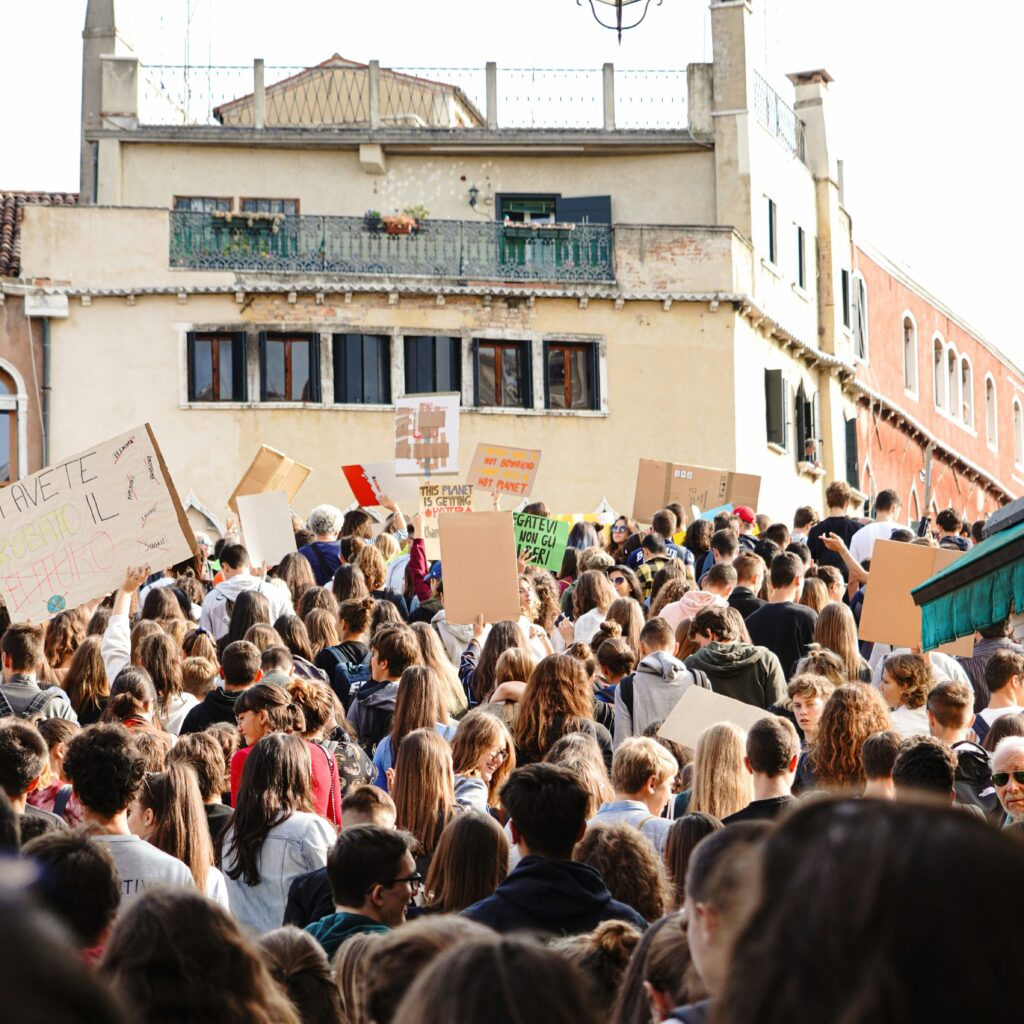
Photo by Katie Rodriguez on Unsplash

 EN
EN  ES
ES