- Who to interview or photograph.
- Which hashtags will be used.
- What networks will be activated live and who will be in charge of each.
- What types of content you’ll create: stories, reels, photos, threads, etc.
Knowledge of the institutional and political environment
You can’t arrive at an event without knowing who’s who. It’s crucial to identify in advance:
- Key people (speakers, activists, authorities, allies).
- Organizations to collaborate with, tag, or interview.
- Present media with whom you can exchange material or collaborate.
This helps you react quickly: do a 5-minute interview, know who to photograph at what moment, or ask for a voice snippet that makes sense.
Agile team, defined roles
Good event coverage requires a synchronized communication team. For example:
- One person handling Instagram stories or lives.
- Another responsible for Twitter (posting quotes, mini-threads).
- Someone with a camera or quality mobile to photograph and record key clips.
- An extra person to support brief interviews or material management.
The "express combo": interviews, photos, and networks in real-time
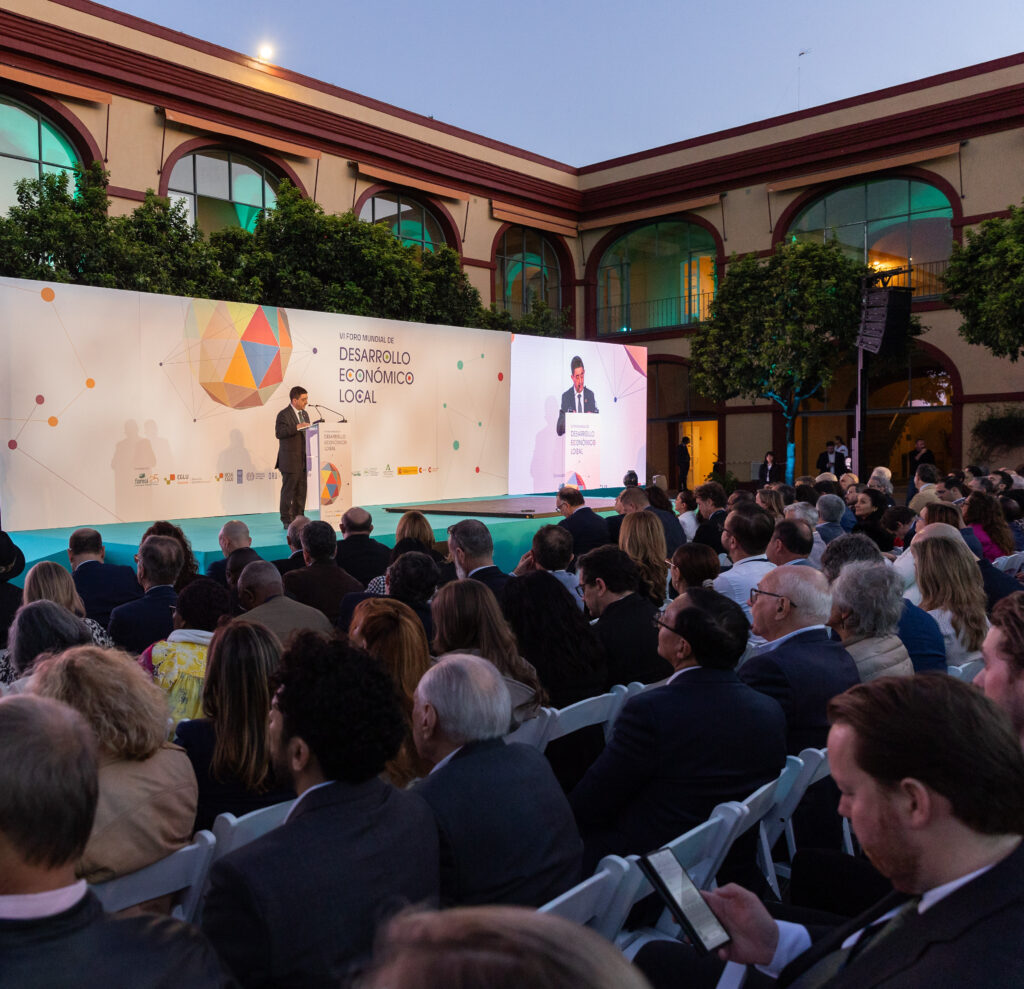
With everything prepared, at the event you should move like a small mobile media outlet. The goal is:
- ✅ Do quick interviews of 30-60 seconds.
- ✅ Photograph the right people (with their consent and tags ready).
- ✅ Upload content almost live.
- ✅ Save good material for post-event reels and videos.
All in one pack: coverage + archive
It’s not just about instant visibility. Good event communication creates a strategic archive: videos, audios, quotes, and images that will feed the website, newsletters, reels, and future campaigns.
What to do after the event?
- Post a summary with key photos and a strong message.
- Select clips for reels and impactful footage.
- Publicly thank participants and collaborate in cross-diffusion.
- Evaluate: What worked? What can you improve for next time?
The event may last 2 hours, but its communication can live for weeks if the strategy is clear and the team is prepared. In times of info-overload, speed is not just efficiency: it’s visibility, opportunity, and influence.

 EN
EN  ES
ES