- They perfectly adapt to the mobile logic and quick attention span of today's audience.
- They humanize your project and make it more relatable.
What types of reels can you create with already recorded material?
Inspirational reels
Select key phrases or moments from interviews or events and edit them with music and subtitles. Use a powerful message like: "Do you know what it means to be part of an energy community?" or "This is how Elena’s life changed when she moved to a village."
Before and after
Show the evolution of a project: how a space, a group or a situation was before and how it is now. You can use photos, videos or a mix.
Behind the scenes / making of
The process matters too. Record or rescue scenes from setup, meetings, installations, trips… Humanize your NGO by showing how work is done from within.
Micro-stories
Divide long videos into 30-second clips that tell small stories: a testimonial, an anecdote, an emotional scene. Add clear, direct text on screen.
Informative reels
With visual material in the background, you can add voiceover or text to explain what your project does, how to join, or why what you do matters.
Tips for them to work
- Make the first 3 seconds count: it's key to grab attention fast. Start with something that sparks curiosity or emotion.
- Include subtitles: most people watch videos without sound.
- Use trends, but with your identity: adapt challenges, music, or popular formats to your content.
- Care about the rhythm and editing: dynamic, with brief cuts, without losing clarity.
- End with a call to action: “Follow our cause,” “Share if you believe in this,” “Do you want to be part too?”
Reuse is not recycling: it is resignifying.
Using the archive you already have is not “cheap repurposing.” It’s rescuing stories that still matter, showing the consistency and continuity of your project, giving value to the work already done, and reaching new audiences with current languages.
So, open that forgotten folder, review those clips you recorded a year ago, find the gems you never saw with a social media perspective... and turn your archive into a living tool for communication and activism.
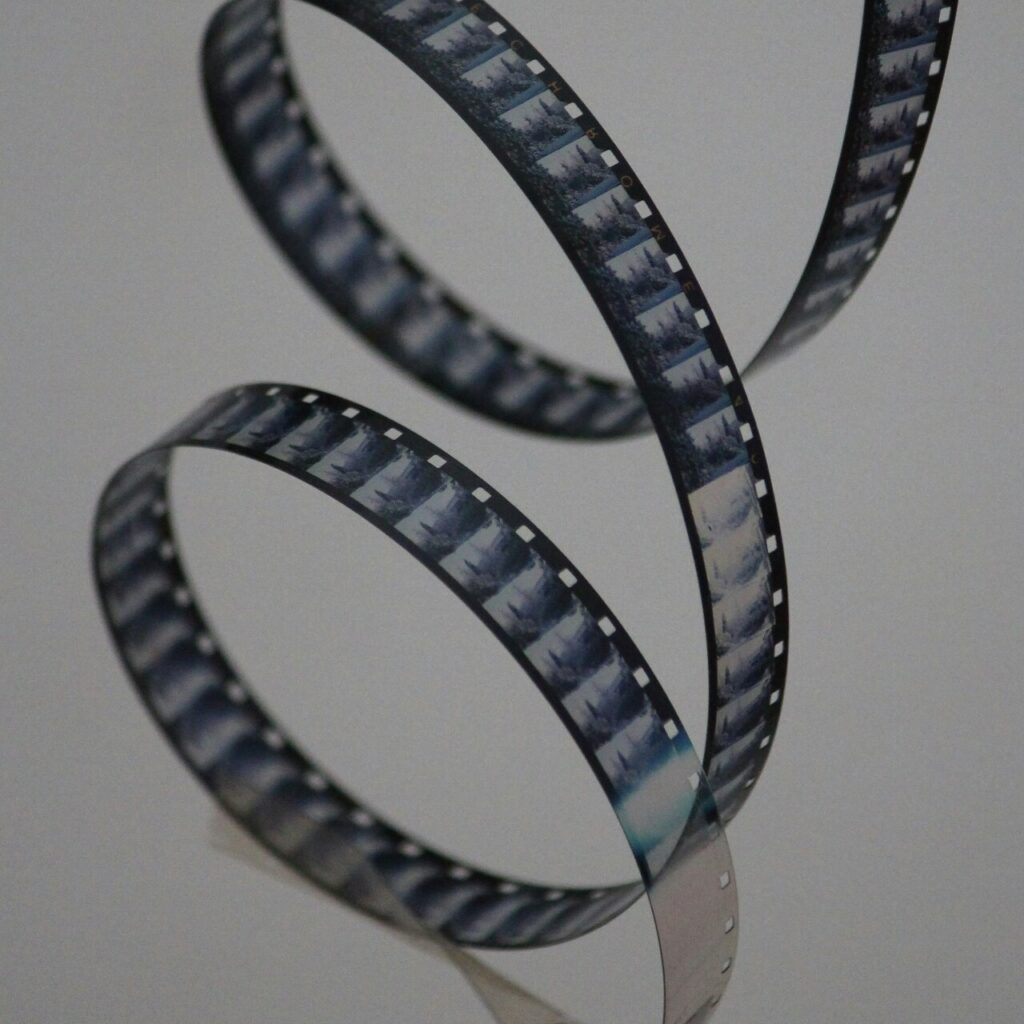
Photo by Denise Jans on Unsplash

 EN
EN  ES
ES