What About Facebook? From Engine of Social Protest to Pay-to-Play Showcase
There was a time when Facebook was a key tool for organizing, mobilizing, and freely sharing information. The Arab Spring, the citizen-led movements in Spain, and even many rural grassroots initiatives found in this platform a way to build community and drive real change. But today, those of us who manage Facebook pages face an unavoidable question: Is it still useful if you don’t pay?
Back Then: When Facebook Amplified Citizens’ Voices
For over a decade, Facebook acted like a digital public square. Posts reached followers organically, and groups were true agoras where information flowed freely. For many social movements, cooperatives, neighborhood associations, or rural projects, it was the perfect channel to call meetings, share achievements, or raise alarms.
That period helped democratize communication. You didn’t need a big budget—just something to say and a community ready to listen.
Now: Pay or Disappear from the Feed
Today, the landscape looks very different. Organic reach (the number of people who see your posts without paying for promotion) has plummeted. On many pages, barely 2% or 3% of followers actually see what’s posted. In other words: if you don’t pay, your message sinks.
Facebook has become a platform where what matters isn’t the relevance or community value of your content, but how much budget you can invest in promoting it. This shift doesn’t just hurt small projects with limited resources—it also empties Facebook’s original promise of being a network for connecting people.
So, What Can We Do?
There’s no simple answer, but here are a few ideas:
Diversify your channels: Don’t rely on Facebook alone. Complement it with Instagram, Telegram, newsletters, TikTok, or even WhatsApp groups, depending on your audience.
Use paid promotion strategically: Set aside small budgets for key posts, well-targeted and with clear goals.
Return to community-based spaces: Facebook groups still hold some strength, or you can explore more decentralized platforms (like Mastodon or local forums).
Build networks beyond the digital: Technology is just a tool, not the goal itself.
Facebook isn’t what it used to be. But it can still be useful—if we understand its rules, combine it with other strategies, and, above all, keep our focus on what really matters: building community from the ground up, beyond the algorithm.
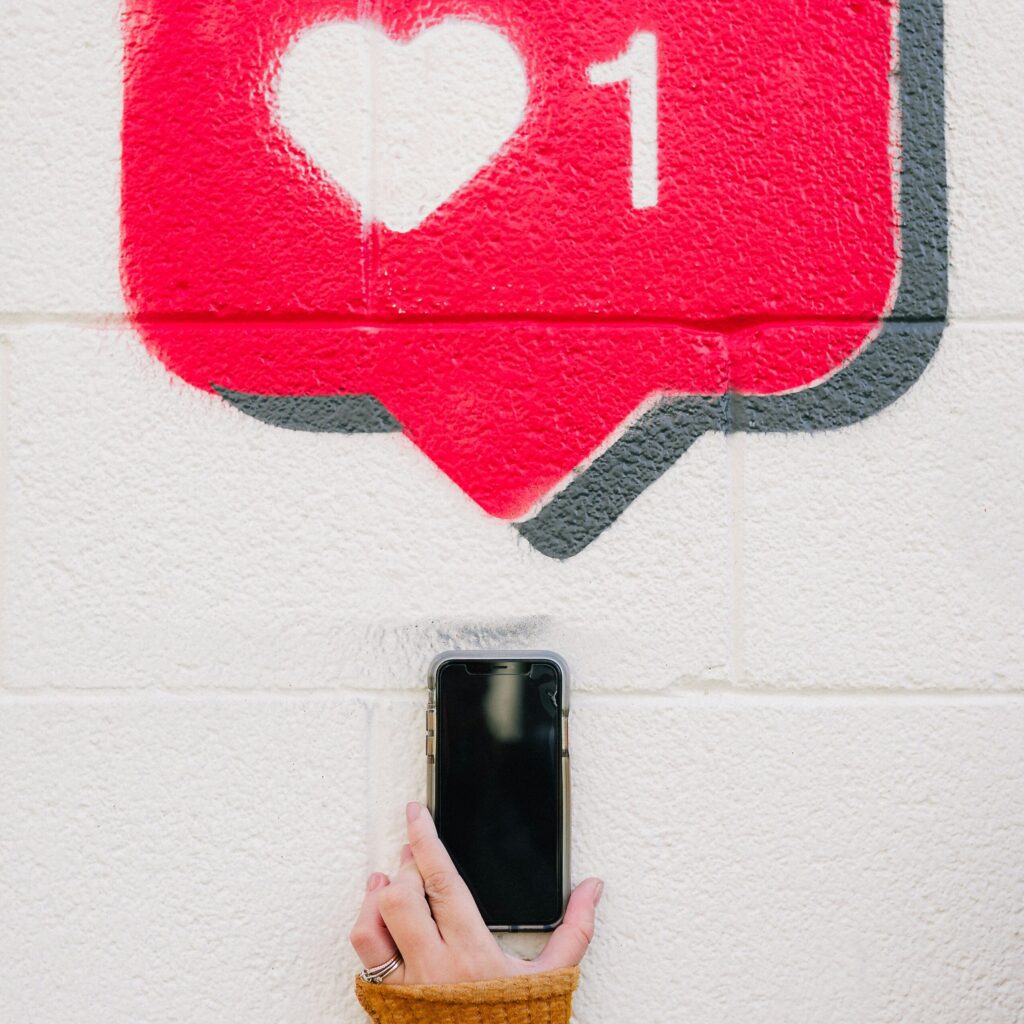
Photo credit: Karsten Winegeart on Unsplash
 EN
EN  ES
ES